
3D Laser Building Scanning Service by 3D Scan
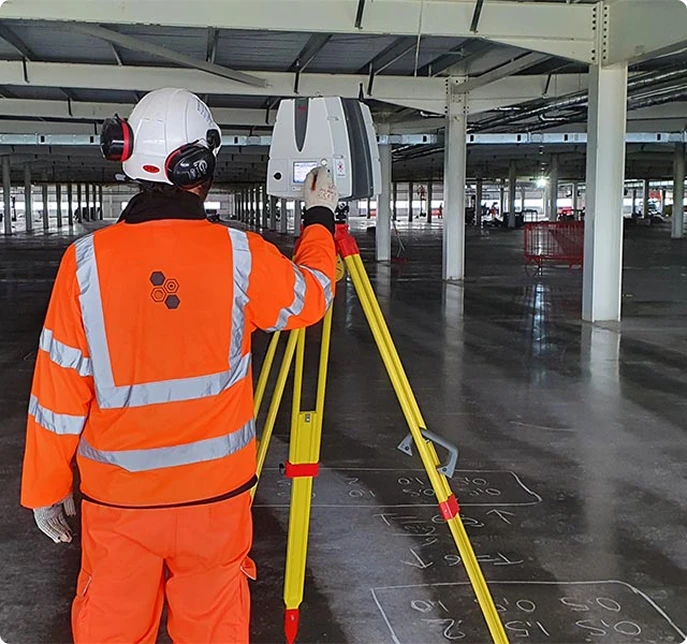
3D Laser Building Scanning Service
3D laser building scanning service has changed the way professionals in architecture, engineering, and construction capture and document physical spaces. Traditional measurement methods like tape measures, manual surveys, and old blueprints can’t match the speed, accuracy, and detail that laser building scanning offers. When you require precise data of existing conditions for renovation projects, facility management, or historical preservation, this technology becomes essential.
3D Scan STL is a leading provider of 3D building scanning services. We have advanced technology and skilled technicians who understand the specific needs of AEC projects. Whether you’re planning a complex retrofit or require detailed as-built documentation, our scanning solutions offer a dependable foundation for your project.
Understanding 3D Laser Building Scanning Technology
Terrestrial LiDAR is the foundation of modern 3D laser building scanning services. This ground-based technology uses laser beams that move at the speed of light, bouncing off surfaces and returning to the scanner’s sensor. The scanner measures how long it takes for each beam to come back, calculating precise distances to create a detailed spatial map of your building.
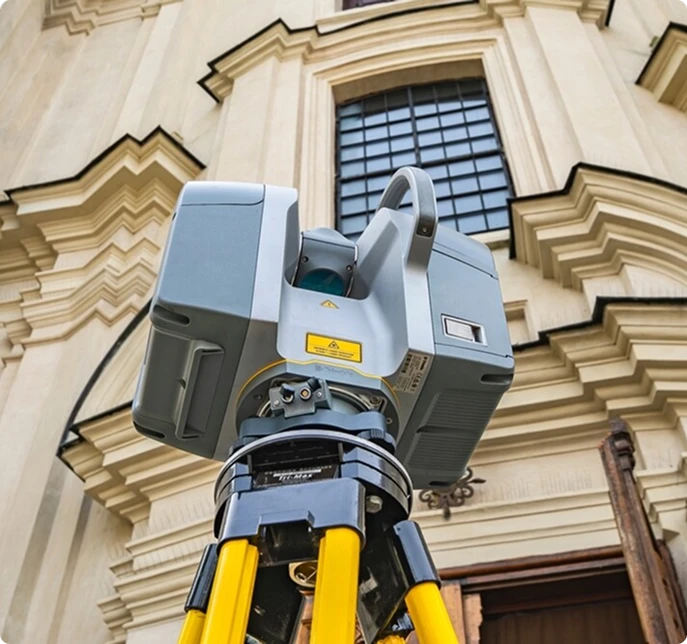
How Does Terrestrial LiDAR Work?
Laser Emission:
The scanner emits laser pulses towards various surfaces in the environment.
Reflection
These laser pulses hit objects such as walls, floors, and ceilings, and then bounce back to the scanner.
Time Measurement:
The scanner measures the time it takes for each pulse to return.
Distance Calculation:
Using the speed of light, the scanner calculates the distance between itself and the object based on the time measurement.
Spatial Mapping:
With this information, the scanner creates a three-dimensional representation of the scanned area.
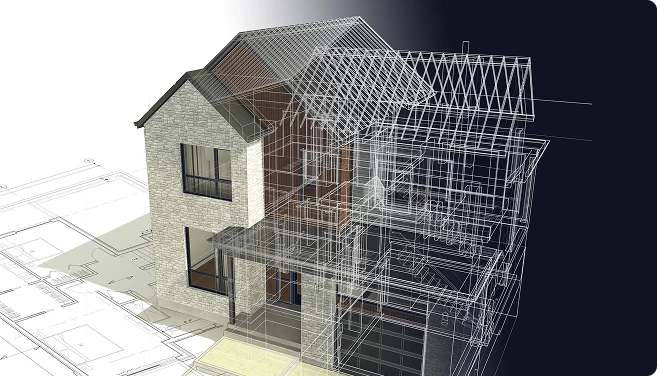
Combining LiDAR with Reality Capture Technology
Reality capture technology enhances terrestrial LiDAR by incorporating high-resolution photography and advanced sensors to document physical spaces in remarkable detail. When you hire a professional scanning service, technicians strategically position the scanner at key locations throughout your building. This allows them to capture overlapping views that ensure complete coverage of all structural elements, architectural features, and spatial relationships.
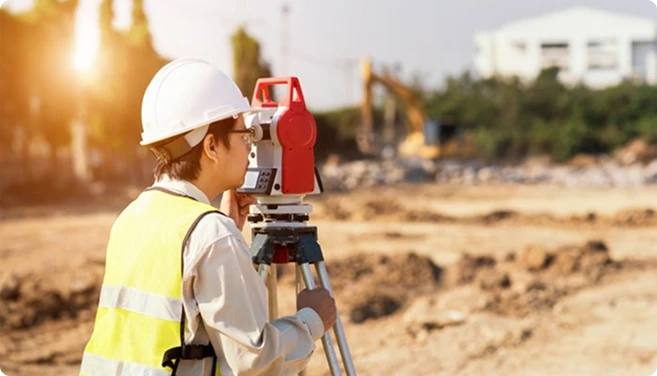
The Power of Laser Scanning Technology
The laser scanning technology operates at incredible speeds—capturing millions of measurements per second. Each measurement represents a single point in three-dimensional space, defined by X, Y, and Z coordinates along with color information from integrated cameras. These individual measurements accumulate rapidly, forming dense point clouds that contain anywhere from hundreds of millions to billions of data points depending on your building’s size and complexity.
You can think of point clouds as digital representations or “fingerprints” of your building—every wall, beam, pipe, duct, window, and door captured with millimeter-level accuracy. The typical scanning accuracy ranges from 2-4mm, providing you with reliable baseline data that reflects true existing conditions rather than outdated blueprints or assumptions.
The 3D Scan STL Process: From On-Site Scanning to Deliverables
- On-Site Scanning
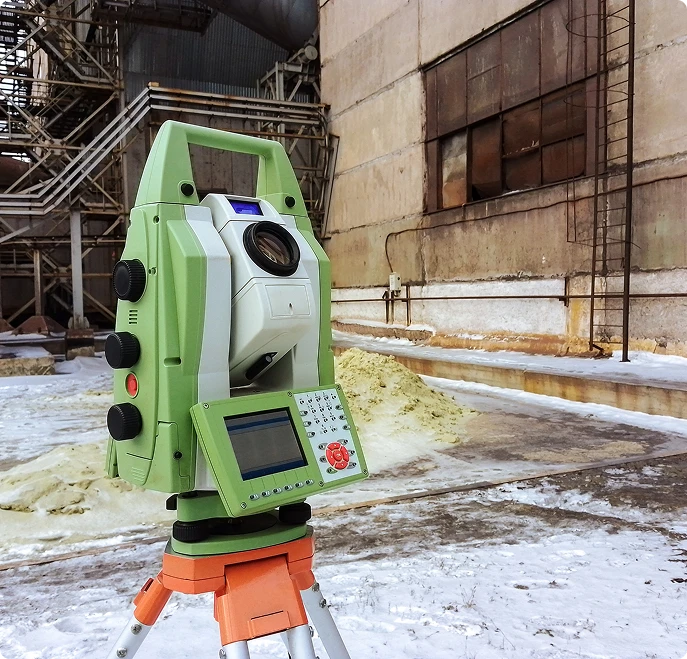
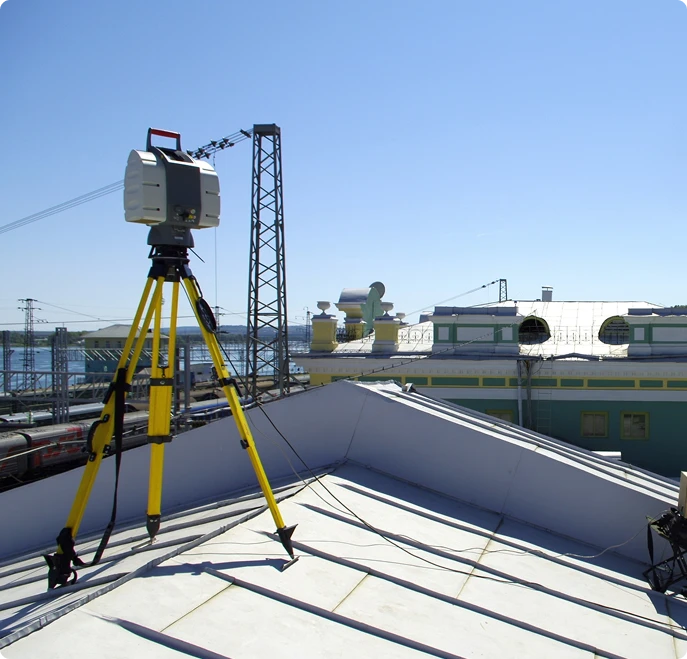
On-site scanning begins with strategically positioning laser scanners throughout your building or facility. The technicians set up multiple scan stations to ensure complete coverage of all areas, capturing structural elements, architectural details, and spatial relationships. Each scan station collects data in overlapping zones, creating a comprehensive dataset that eliminates blind spots and ensures accuracy.
- Point Cloud Creation
The captured information transforms into point cloud creation through sophisticated processing software. Raw scan data from multiple stations merges into a unified coordinate system, producing a dense point cloud containing millions of precisely measured points. This digital representation maintains spatial accuracy within 2-4mm, preserving every detail from wall surfaces to mechanical systems.
- Data Delivery Options
You have flexibility in how you receive your data. 3D Scan STL delivers raw point cloud files in standard formats like E57 or LAS, giving you direct access to the unprocessed scan data. Alternatively, the model conversion phase transforms this point cloud into usable formats for your specific needs.
- Comprehensive Deliverable: Scan to BIM
The Scan to BIM workflow represents the most comprehensive deliverable option. Skilled modelers interpret the point cloud data, creating intelligent 3D models in Revit with parametric objects representing walls, floors, ceilings, doors, windows, and MEP systems. This process generates construction-ready documentation that integrates seamlessly with your existing design workflows, supporting renovation planning, clash detection, and facility management applications.
Key Deliverables Offered by 3D Scan STL
When you partner with 3D Scan STL for your 3D Laser Building Scanning Service, you gain access to multiple deliverable formats tailored to your project requirements. The flexibility in output options ensures you receive data in the exact format your team needs.
Raw Point Clouds
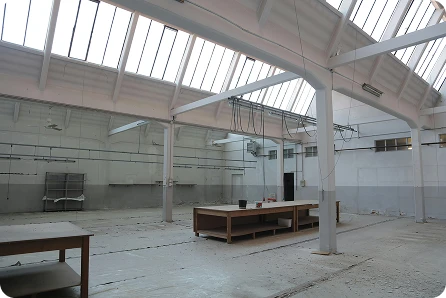
Raw Point Clouds serve as the foundation of all deliverables. You’ll receive these comprehensive datasets in industry-standard formats including E57 and LAS files. These raw point clouds contain millions of precise measurements that you can manipulate, measure, and analyze using various software platforms.
2D CAD Drawings
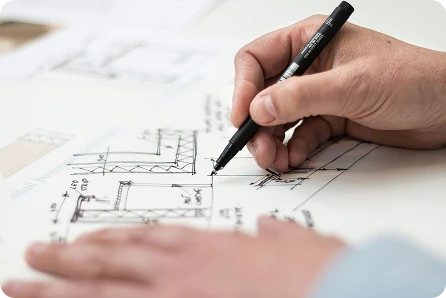
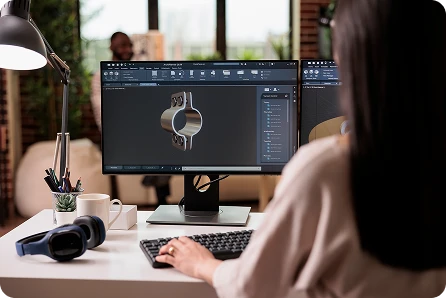
2D CAD Drawings transform scan data into traditional architectural documentation. 3D Scan STL produces accurate floor plans, elevations, sections, and reflected ceiling plans extracted directly from the point cloud data. You can request these drawings in AutoCAD DWG or DXF formats, making them compatible with your existing workflows.
Revit BIM Models
Revit BIM Models represent the most sophisticated deliverable option. 3D Scan STL creates intelligent Revit BIM models with customizable Levels of Detail (LOD) ranging from LOD 200 to LOD 400. These models include parametric building components, structural elements, MEP systems, and architectural features that support clash detection and coordination.
The AutoCAD drawings generated from scan data provide dimensionally accurate linework you can use immediately for design development, permit submissions, or construction documentation. Each deliverable type integrates seamlessly with digital twin integration platforms, enabling you to maintain living records of your facilities throughout their lifecycle.
Benefits of Using 3D Laser Building Scanning Services
Speed and Efficiency
Traditional manual measurement methods rely on tape measures, total stations, and hand-drawn sketches that consume days or weeks of fieldwork. You face inevitable human errors, missed measurements, and incomplete documentation that plague these conventional approaches.
- 3D laser scanning eliminates these pain points by capturing millions of accurate as-built measurements in hours rather than days.
- The speed advantage transforms project timelines.
- Where manual surveys might require multiple site visits and extensive documentation time, laser scanning completes comprehensive building capture in a single mobilization.
- You receive complete spatial data with fast turnaround time that keeps your project moving forward without lengthy delays.
Precision and Accuracy
Precision matters when construction budgets hang in the balance. The 2-4mm accuracy of laser scanning technology means you work with reliable dimensional data that reflects true existing conditions.
- This precision helps you reduce rework by identifying conflicts and spatial constraints before construction begins.
- You avoid expensive change orders that stem from inaccurate field measurements or outdated building plans.
Improved Risk Management
Risk management improves dramatically when you base design decisions on verified as-built documentation.
- You minimize project risk by eliminating guesswork about existing structural elements, mechanical systems, and spatial relationships.
- The comprehensive point cloud data serves as defensible documentation that protects you from disputes about pre-existing conditions and supports confident decision-making throughout the project lifecycle.
Industry Applications for 3D Building Scanning
Architecture, Engineering, and Construction (AEC)
Architecture engineering construction (AEC) professionals rely on 3D laser scanning to tackle complex renovation and retrofit projects with confidence. You need exact measurements of existing conditions before designing structural modifications, and scanning delivers that precision. Historic building restorations benefit particularly from this technology, capturing intricate architectural details that would be impossible to measure manually.
Commercial Real Estate
Commercial real estate developers use scanning services to create comprehensive digital asset documentation for property portfolios. You can generate accurate floor plans for leasing materials, verify square footage for valuations, and maintain detailed records of building systems for facility management. Property acquisitions become less risky when you have reliable as-built data documenting the actual condition of structures.
Healthcare Facilities
Healthcare facilities present unique scanning challenges that 3D Scan STL addresses effectively. You’re working in environments where operations cannot stop, yet you need precise documentation for expansions or equipment installations. Laser scanning captures critical infrastructure like mechanical rooms, surgical suites, and patient care areas without disrupting daily activities.
Manufacturing and Industrial
Manufacturing plants, industrial facilities, and infrastructure projects also depend on these services. You might need to document complex piping systems, production lines, or transportation hubs where traditional measurement methods fall short. The technology adapts to your specific sector requirements, whether you’re managing a single-story warehouse or a multi-story hospital complex.
Benefits of Using 3D Laser Building Scanning Services
Renovation Projects: Exact Existing Conditions Capture
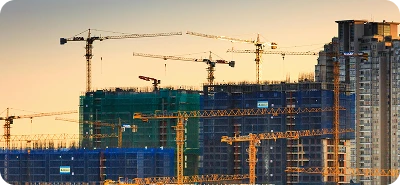
3D Laser Building Scanning Service transforms how you approach renovation projects by capturing exact existing conditions before any design work begins. You eliminate the guesswork that comes with outdated blueprints or manual measurements.
- When you're planning a multi-story office renovation, laser scanning documents every structural element, mechanical system, and architectural detail with millimeter-level precision.
- This data becomes your foundation for accurate design decisions.
Design Coordination: Clash Detection Made Easy
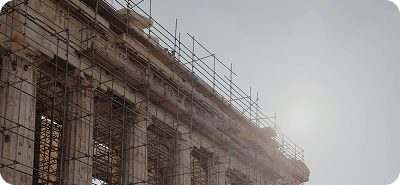
Scan to BIM coordination represents one of the most valuable applications you’ll encounter. You convert raw point cloud data into intelligent Revit models that enable clash detection between new MEP systems and existing structures.
- Your design team identifies conflicts in the digital environment rather than discovering them during construction—saving you significant time and money.
- The coordination process becomes seamless when everyone works from the same accurate baseline.
Ongoing Operations: Living Digital Replicas
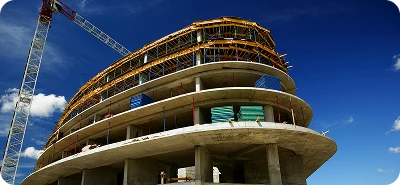
Facility management digital twins extend the value of scanning beyond initial construction. You create living digital replicas of your buildings that support ongoing operations and maintenance.
- These twins integrate with your facility management systems, providing instant access to spatial data, equipment locations, and infrastructure details.
- When you need to plan emergency exits, optimize space utilization, or schedule maintenance, your digital twin delivers the precise information required for informed decision-making.
Why Choose 3D Scan STL For Your Building Scanning Needs?
01
Advanced Equipment for Accurate Scanning
We use the Artec3D Ray II, a high-speed 3D laser scanner that captures up to 2 million points per second with exceptional accuracy. This scanner is perfect for documenting complex building shapes, intricate architectural details, and structural elements that traditional measurement methods can’t handle.
02
Versatile Solutions for Challenging Spaces
For interior spaces and difficult environments, we utilize a wearable mobile mapping system that combines LiDAR technology with simultaneous localization and mapping (SLAM). This equipment allows us to navigate tight corridors, stairwells, and multi-floor facilities while maintaining scan quality and accuracy. Compared to stationary scanners, this significantly reduces on-site time, minimizing disruption to your operations.
03
Expertise in Building Documentation
Behind this advanced technology is a team of expert technicians who know the ins and outs of building documentation. These professionals plan optimal scan positions, manage data quality in real-time, and adapt to unexpected site conditions. Their experience ensures you receive complete coverage of your facility without gaps or missing data that could affect your project.
The combination of cutting-edge hardware and skilled operators means you receive:
- Comprehensive coverage of both interior and exterior building elements
- Minimal site disruption through efficient scanning workflows
- Consistent data quality across all project phases
- Reliable deliverables that meet your specific project requirements
Conclusion
3D Laser Building Scanning Service changes the way you handle construction, renovation, and facility management projects. This technology provides exact measurements that remove uncertainty and lessen expensive mistakes throughout your project.
When you team up with 3D Scan STL, you get access to state-of-the-art equipment and skilled experts who know how to capture precise as-built data.
With accurate scan data from the beginning, you can:
- Make better decisions
- Communicate more effectively with stakeholders
- Avoid delays caused by relying on outdated documents
Whether you’re planning a complicated retrofit or documenting important infrastructure, professional scanning services give you the confidence to move forward with complete spatial understanding at your fingertips.
Frequently Asked Questions
What is 3D laser building scanning and why is it important in the AEC industry?
Terrestrial Laser Scanning (TLS) is a ground-based LiDAR technology that rapidly captures millions of precise 3D data points to create highly accurate 3D models, photorealistic images, and detailed real-time measurements of physical objects, structures, and environments. It works by spinning a laser to measure distances and angles to surfaces, producing dense “point clouds” for applications like construction, forensics, heritage conservation, and infrastructure inspection.
How does 3D Scan STL perform the 3D laser building scanning process?
TLS captures millions of data points in a single scan, delivering highly accurate and precise measurements. The latest devices ensure +-1mm accuracy of the single scan, this level of detail is invaluable for creating as-built models, conducting topographic surveys, and ensuring design accuracy. It eliminates human error, and the measurement inaccuracies are often associated with traditional surveying methods. TLS captures millions of data points in a single scan, providing highly accurate and precise measurements. The latest devices ensure +/-1mm accuracy of each scan, and this level of detail is invaluable for creating as-built models, conducting topographic surveys, and ensuring design precision.
What types of deliverables does 3D Scan STL offer with their 3D laser building scanning service?
Yes, we offer industrial as-built services, documenting final dimensions, locations of equipment, pipes, conduits, and changes from original plans for warehouses, manufacturing, and large facilities. These deliverables (drawings/models) ensure compliance, facilitate maintenance, and aid future renovations.
What are the main benefits of using 3D laser building scanning services over traditional measurement methods?
Yes, we offer industrial as-built services, documenting final dimensions, locations of equipment, pipes, conduits, and changes from original plans for warehouses, manufacturing, and large facilities. These deliverables (drawings/models) ensure compliance, facilitate maintenance, and aid future renovations.
In which industries and applications is 3D laser building scanning commonly used?
Yes, we offer industrial as-built services, documenting final dimensions, locations of equipment, pipes, conduits, and changes from original plans for warehouses, manufacturing, and large facilities. These deliverables (drawings/models) ensure compliance, facilitate maintenance, and aid future renovations.
Why should clients choose 3D Scan STL for their 3D laser building scanning needs?
Yes, we offer industrial as-built services, documenting final dimensions, locations of equipment, pipes, conduits, and changes from original plans for warehouses, manufacturing, and large facilities. These deliverables (drawings/models) ensure compliance, facilitate maintenance, and aid future renovations.
Get Started with Building 3D Laser Scanning
If you need accurate existing‑conditions data for your building project, our Building 3D Laser Scanning services provide the clarity and precision your team needs.
Contact us today to discuss your project scope, building size, required accuracy, and desired deliverables—and we’ll help you move forward with confidence.