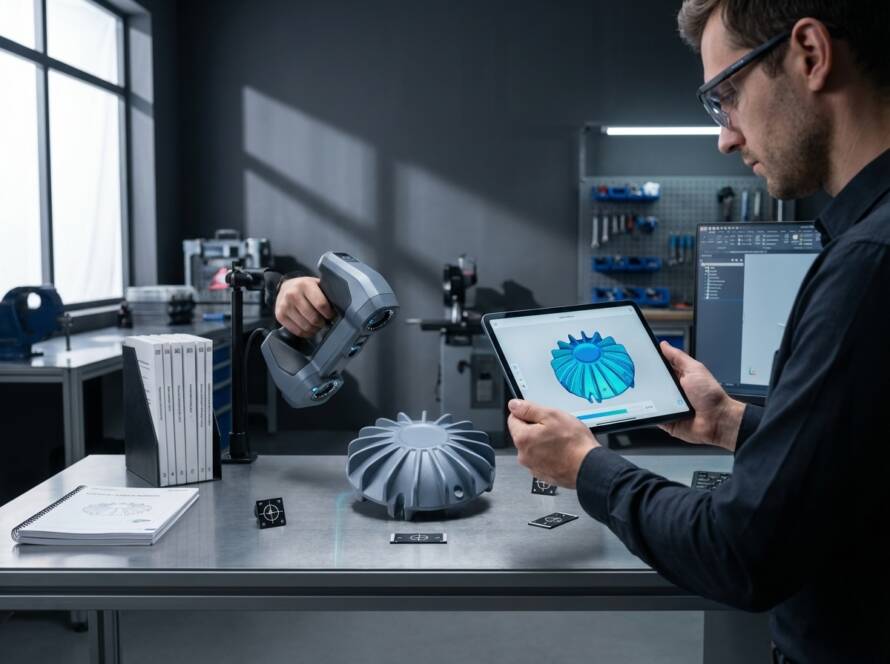
Catch Dimensional Drift Early: Deviation Analysis Powered by High-Accuracy 3D Scans
Dimensional drift creeps into your production long before it shows on the finished part. Missing those subtle shifts means more scrap, costly rework, and delayed corrective actions. With high-accuracy 3D scanning, deviation analysis spots these changes early, giving your team the data needed to maintain tight tolerances and support PPAP or FAI protocols. Here’s how scan-based inspection keeps your manufacturing process on track and your quality inspection precise.
Understanding Dimensional Drift
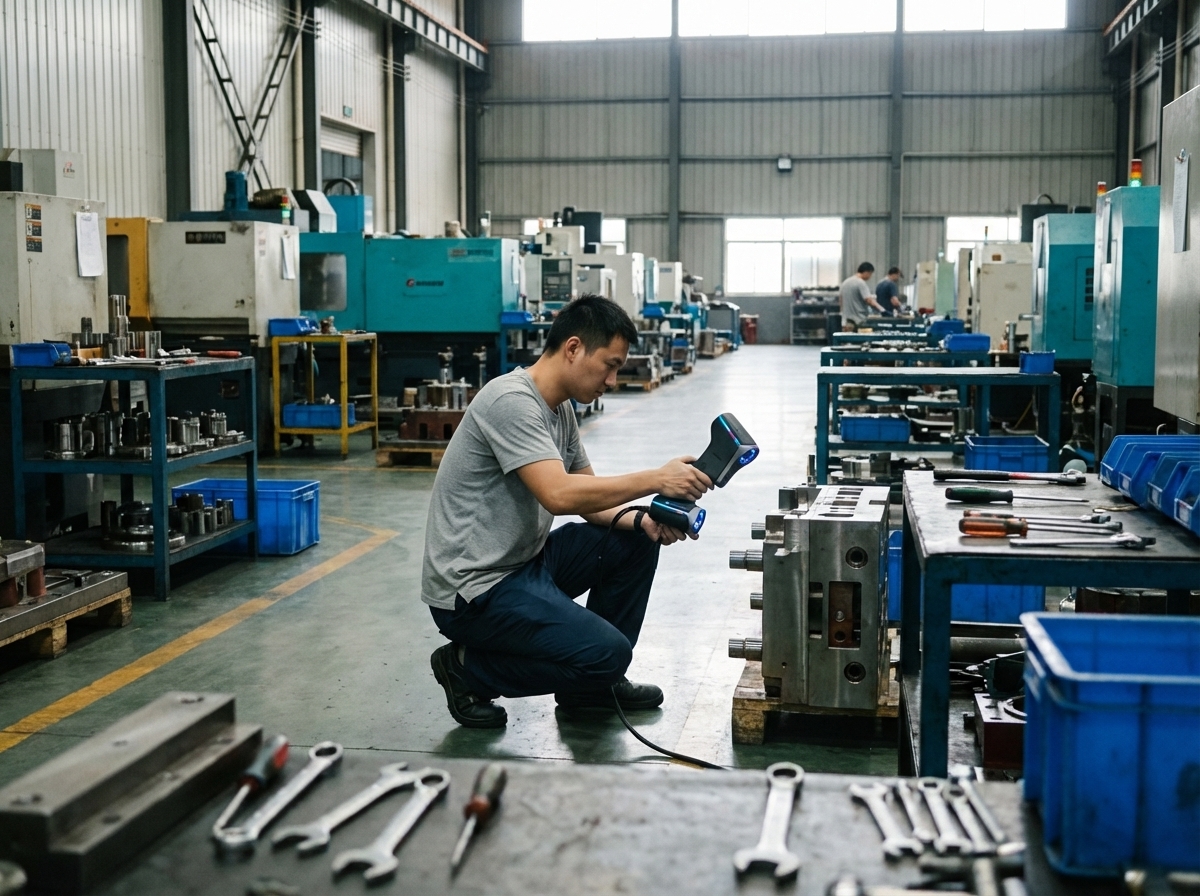
Dimensional drift is a silent disruptor in manufacturing, sneaking into your processes without obvious signs. But, with the right tools, you can catch it early and save time and money.
3D Scanning for Precision
3D scanning offers you a chance to capture every detail of your components. With tools like structured light and laser scanning, you can measure intricate parts accurately. Imagine being able to see every curve and edge clearly, knowing that your parts align with the intended design. This is not just about precision; it is about trust in your process. Your production line can maintain its integrity when you catch issues before they spiral.
Consider an example: a local automotive manufacturer used 3D scanning to ensure that every part fit perfectly. They reduced their rework rate by 20% in just three months. The power of precision scanning cannot be overstated.
Identifying Dimensional Drift Early
Spotting dimensional drift early means fewer headaches later. By using 3D scanning, you can monitor your parts consistently. The earlier you detect an issue, the easier it is to correct it. This proactive approach saves you from costly fixes down the line.
Most people think dimensional drift is only visible on finished parts, but this is not true. The drift begins long before, creeping into early production stages. By identifying these shifts early, you can adjust and keep everything on track.
Benefits of Non-Contact Inspection
Non-contact inspection ensures that no physical touch alters your parts. This method preserves the original state, offering true-to-life scans. Your team can analyze these scans for any deviations without worrying about handling impacts.
Non-contact methods are also faster. You can inspect parts quickly, keeping the production line moving. The less downtime, the more you can produce. This efficiency means your operation runs smoothly and your team stays ahead.
Optimizing Manufacturing Processes
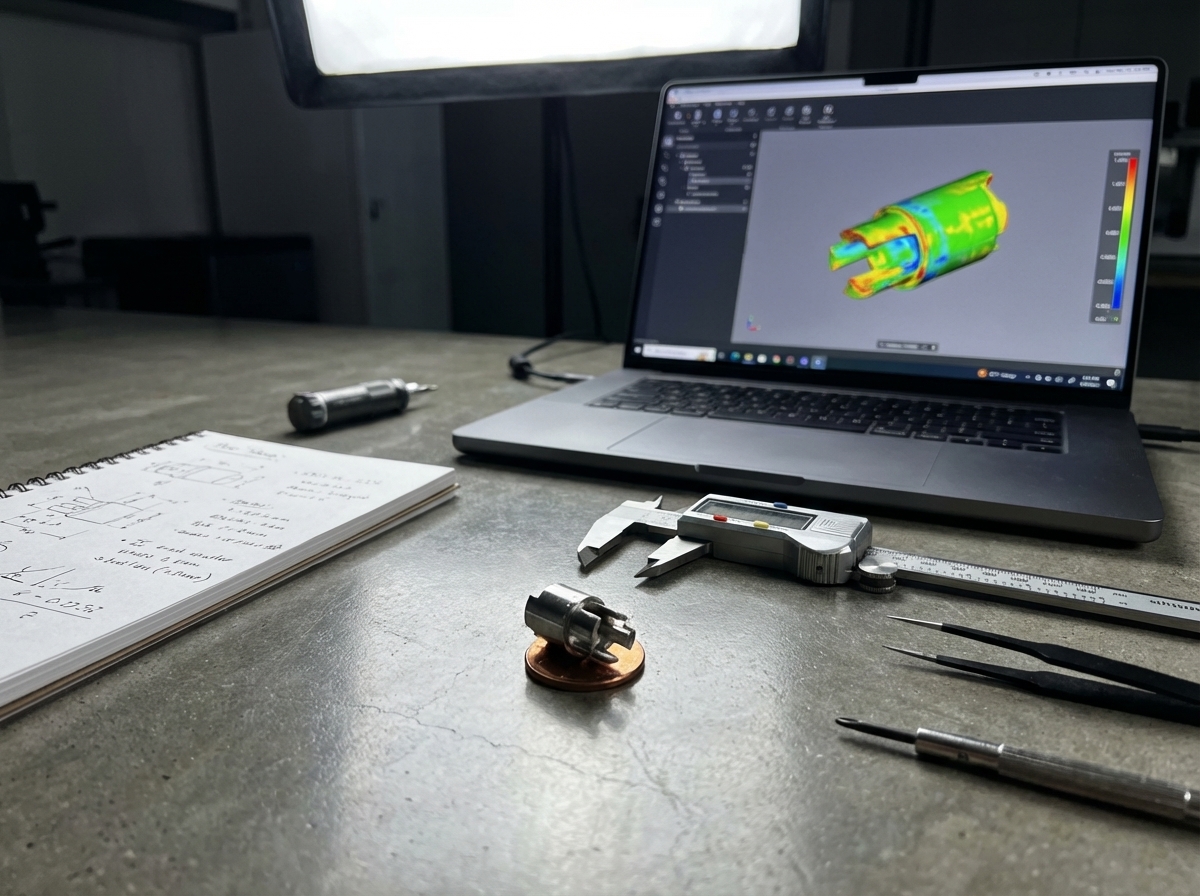
When processes are optimized, everything falls into place. Reducing waste and improving quality are just the beginning.
Reducing Scrap and Rework
Reducing scrap is a game-changer. Less waste means more savings. By using 3D scanning, you can ensure that parts meet specifications from the start. This reduces the chance of defects and the need for rework. You maintain your material costs and enhance your bottom line.
Consider a local manufacturer who reduced scrap by 15% after implementing 3D scanning. This not only saved costs but also improved their production speed. The longer you wait to adopt these tools, the more you risk in waste.
PPAP and First Article Inspection
Supporting PPAP and first article inspections becomes seamless with accurate scans. You can verify each part against the approved design, ensuring consistent quality. This streamlined process supports both quick approvals and compliance with industry standards.
Most companies think traditional methods are enough, but they miss the precision scanning offers. By integrating scans into these inspections, you can trust that what you approve is true to the design intent.
Accelerating Corrective Actions
Corrective actions need to be swift to minimize disruptions. With 3D scanning, you get detailed insights that help pinpoint issues quickly. Fast adjustments mean you stay on schedule, reducing downtime and ensuring quality output.
Your team can act on real-time data to fix problems before they escalate. The quicker you address issues, the less impact they have on production.
Tools and Techniques in Deviation Analysis
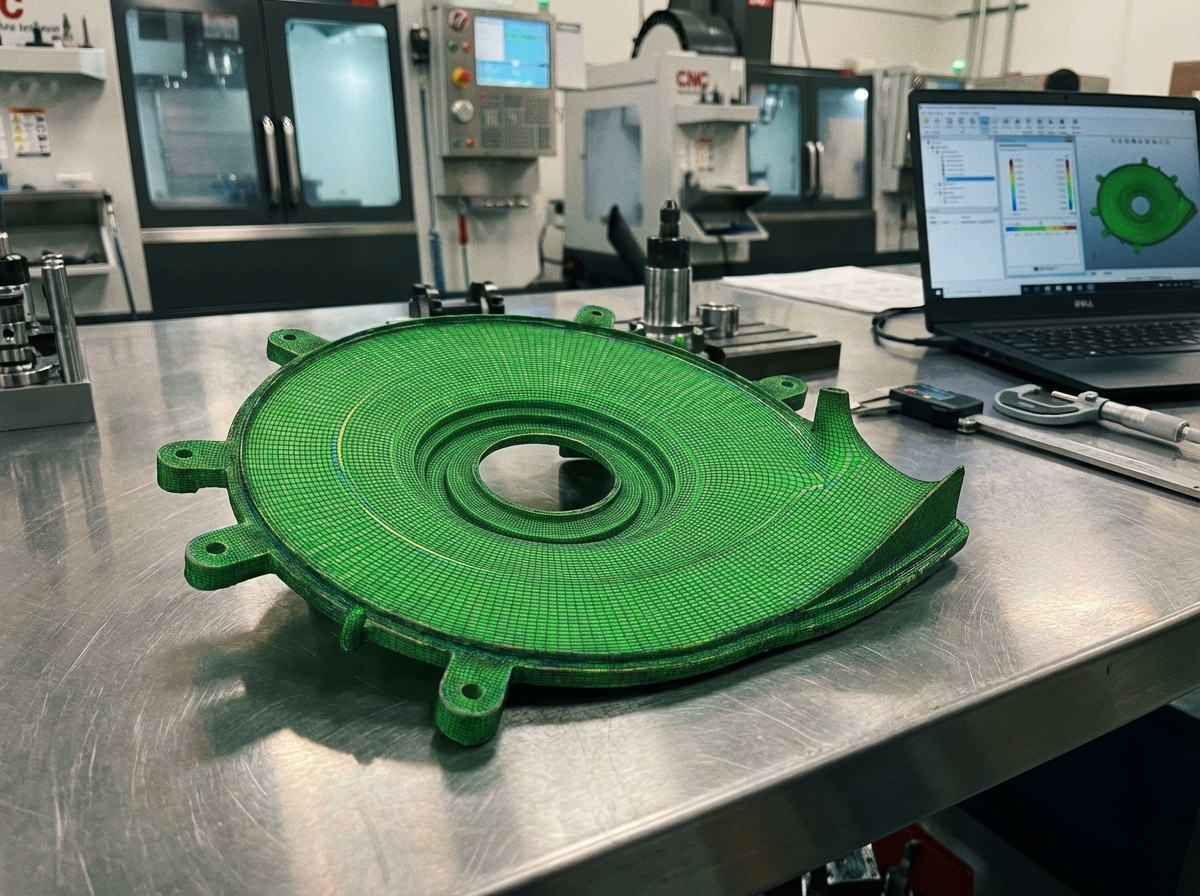
Using the right tools ensures that your deviation analysis is thorough and effective.
Color Map Deviation Reports
Color maps offer a visual representation of deviations. They make it easy to see where parts deviate from the ideal. This clarity helps your team focus on areas needing correction, ensuring precision in every component.
Visual tools like these are invaluable. They provide immediate insights and guide your corrective actions efficiently.
Point Cloud to CAD Alignment
Aligning point clouds to CAD models verifies accuracy. This technique ensures that the physical parts match their digital counterparts. It’s about ensuring everything fits as it should.
This alignment is a key part of maintaining quality control. You can trust that what you produce matches the design specifications exactly.
Structured Light and Laser Scanning
Structured light and laser scanning are at the forefront of precision measurement. They capture details with incredible accuracy, ensuring that no aspect of your parts is overlooked. These technologies offer reliability and speed, crucial for modern manufacturing.
Choosing the right scanning method makes all the difference. You get data you can trust and results that support your quality goals.
By incorporating these insights and tools, you maintain control over your production processes, optimize efficiency, and ensure that everything you produce meets the highest standards.