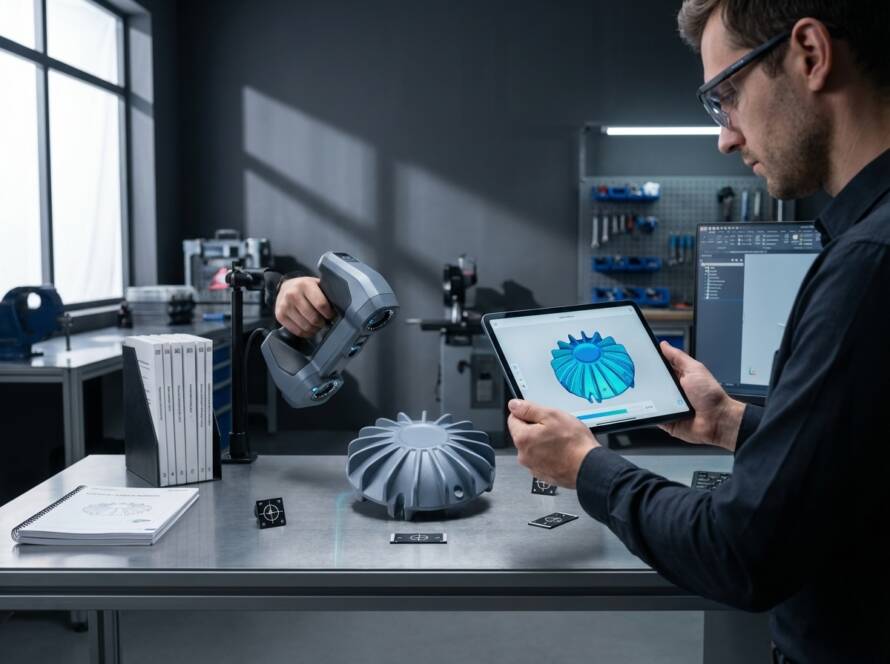
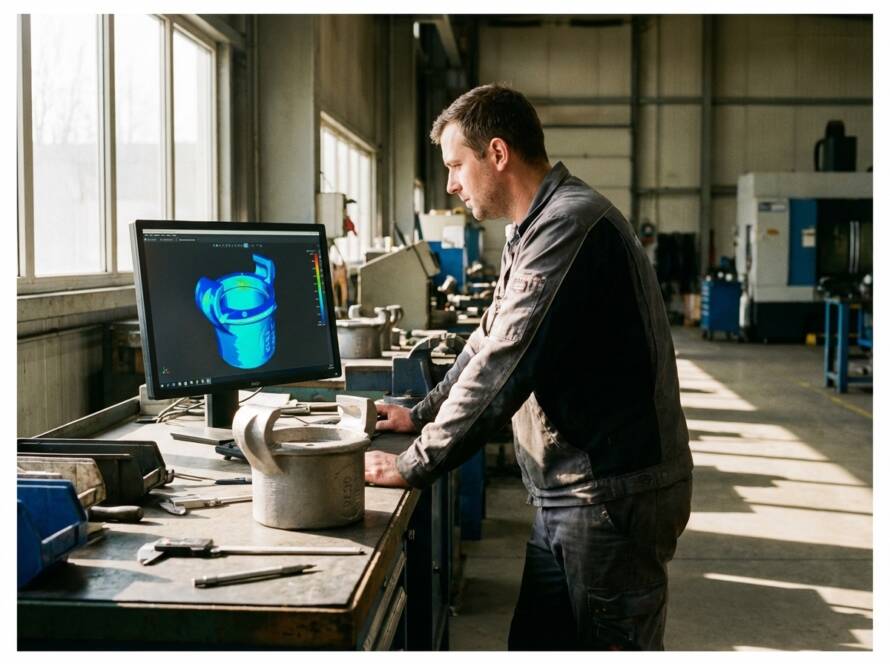
Why Surface Finish Matters in 3D Scanning: Reflective, Dark, and Textured Parts Explained
Surface finish isn’t just a detail—it shapes the success of your 3D scans. Reflective, dark, or textured parts often cause unexpected errors that stall projects and waste hours. Understanding how these finishes affect scan accuracy helps you avoid costly reworks and speeds your workflow. In this post, you’ll learn practical strategies for handling tricky surfaces and why 3D Scan STL’s expertise matters for your next high-precision scan in St. Louis or the Midwest.
Understanding Surface Finish in 3D Scanning
Let’s dive into how surface finish impacts the accuracy of your 3D scans. It’s crucial to understand these effects to ensure high-quality digital models.
The Impact on Scan Accuracy
The surface finish of an object can significantly affect scan accuracy. Reflective surfaces can bounce scanner light in unpredictable ways, leading to data loss. Dark surfaces tend to absorb light, creating gaps in the scan data. Textured surfaces scatter light inconsistently, which can result in uneven data capture. Understanding these challenges helps you make informed decisions about your scanning process.
Workflow Challenges with Difficult Surfaces
Dealing with difficult surfaces can slow down your workflow. Time is often lost trying to correct scan errors or attempting multiple scans to capture missing data. These issues not only waste time but can also lead to increased costs. Recognizing these potential obstacles allows you to plan better, choosing the right scanning techniques and tools to streamline your process.
Proven Mitigation Techniques
There are several techniques to handle challenging surfaces effectively. Using matte sprays can reduce reflections, while adjusting lighting conditions can help with dark objects. For textured surfaces, choosing the right scanner settings can minimize data inconsistencies. These techniques ensure that you capture accurate and reliable 3D data, saving you time and preventing costly mistakes.
Types of Challenging Surfaces
Handling different surface types requires specific strategies. Let’s explore how to tackle reflective, dark, and textured surfaces effectively.
Scanning Reflective Parts
Reflective parts can be tricky, as they often cause light reflections that confuse scanners. To mitigate this, apply a thin matte spray to dull the surface. This technique reduces glare and ensures the scanner captures accurate data. Alternatively, using a polarized filter can also help in controlling reflections, ensuring you get a precise scan.
Dark Part 3D Scanning
Dark surfaces absorb light, making it difficult for scanners to capture details. Increasing the brightness of the scanning environment can help, as well as using higher sensitivity settings on your scanner. Another option is to apply a light-colored spray to temporarily change the surface color, improving light reflection and scan accuracy.
Textured Surface 3D Scan
Textured surfaces scatter light in various directions, leading to inconsistent data. Adjust your scanner’s settings to account for these variations; sometimes, using multiple passes from different angles can help capture the full detail of the surface. Ensuring your scanner is equipped with advanced sensors that can handle complex geometries will also improve results.
Advanced Scanning Solutions
Explore advanced solutions that enhance your 3D scanning process, making it easier to handle challenging surfaces with precision.
Matte Spray for 3D Scanning
Matte spray is an effective method for managing reflective surfaces. It temporarily alters the surface, reducing glare and improving scan quality. This simple tool can make a significant difference, ensuring your scanner captures even the most challenging surfaces with ease.
Structured Light and Laser Scanning Accuracy
Structured light scanning and laser scanning are powerful techniques known for their precision. These methods use projected patterns to capture complex surfaces accurately. They are ideal for scanning intricate components where every detail matters. Investing in these technologies can elevate the quality of your scans significantly.
Reverse Engineering St. Louis and Midwest Services
In the St. Louis and Midwest regions, 3D Scan STL offers specialized services for reverse engineering. Our expertise ensures you receive high-precision scans that meet your project’s exact needs. From automotive to aerospace, our tailored solutions help transform your physical objects into detailed digital models, driving success across industries.