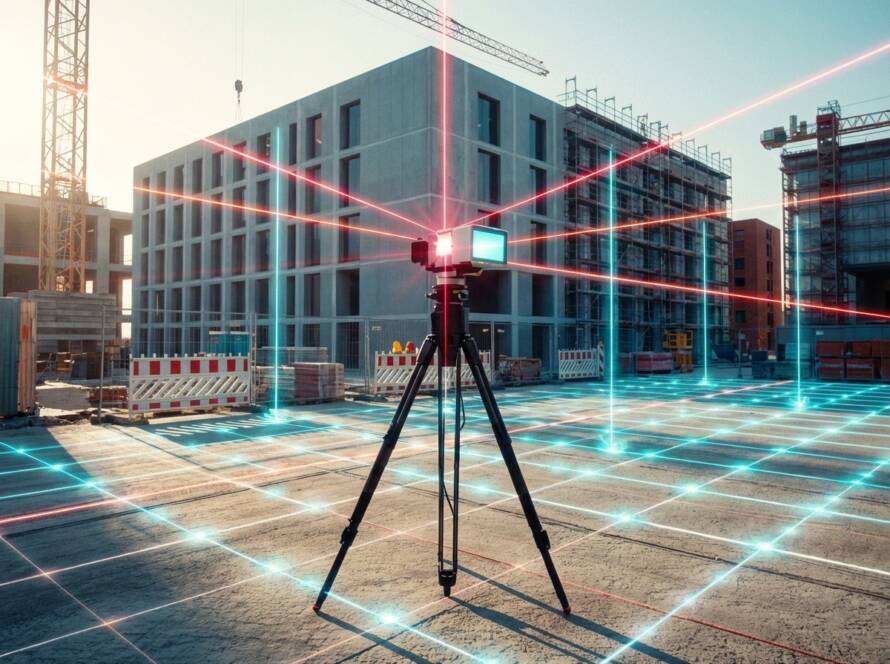
Stop Dimensional Drift Before It Stops Production: Scan-Based Deviation Analysis for Proactive Quality
Dimensional drift can quietly sabotage your production line long before anyone notices. Missing subtle shifts means costly scrap, unexpected downtime, and failing your PPAP compliance. With scan-based deviation analysis using 3D scanning in St. Louis, you can spot these issues early, keep parts within tolerance, and maintain quality inspection standards without guesswork. Let’s explore how precise, non-contact metrology saves your process before it stops.
The Role of Deviation Analysis
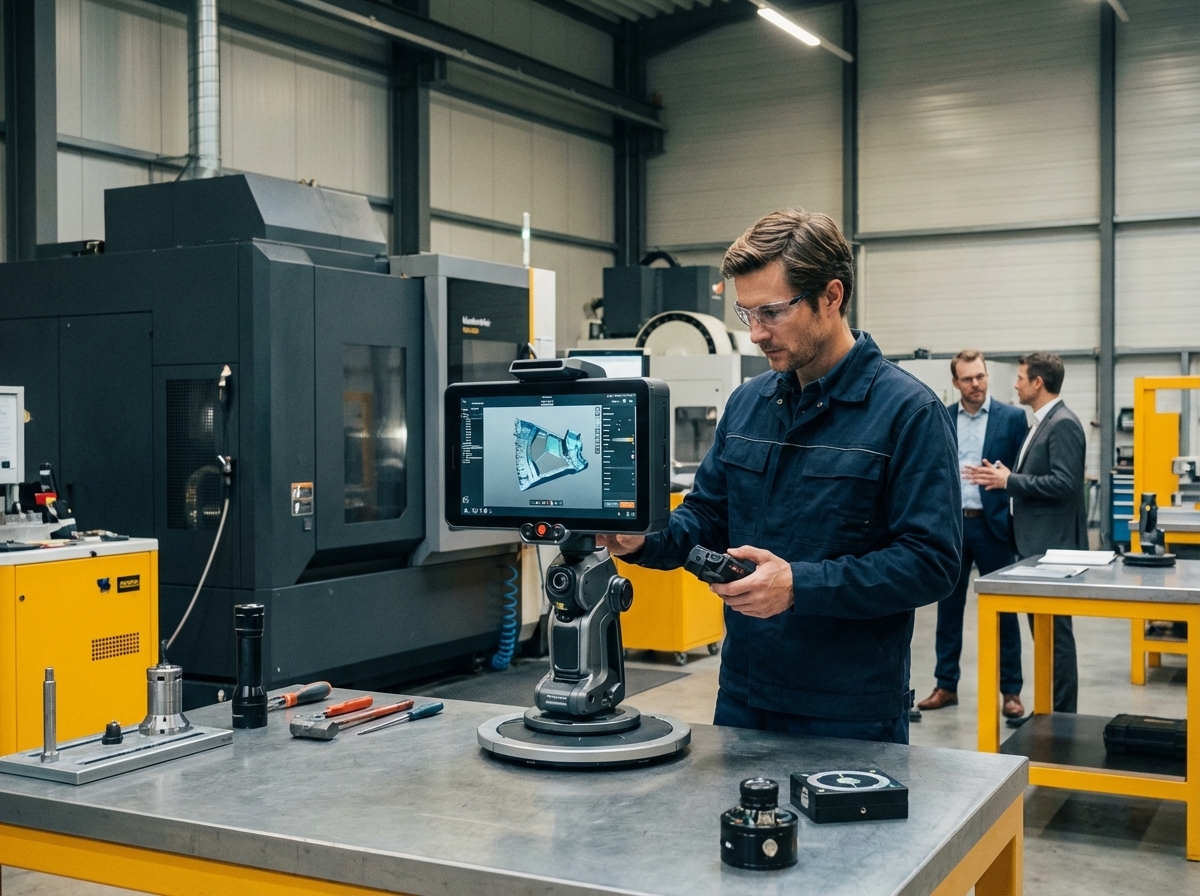
Spotting issues early can save your production line from costly errors. Deviation analysis plays a crucial role in maintaining quality. It helps you catch dimensional drift before it turns into a bigger problem.
Identifying Dimensional Drift Early
Imagine your production line running smoothly. But beneath the surface, small shifts are happening. Dimensional drift can creep in silently. If left unchecked, it leads to mismatched parts and non-compliance with standards. Early detection is key. By using 3D scanning, you can identify these shifts. The Artec Ray II and Artec Leo scanners offer precise measurements. They help you catch these changes before they affect production. This proactive approach ensures that your parts remain within tolerance.
Benefits of High-Accuracy 3D Scanning
High-accuracy 3D scanning is like having a magnifying glass on your production line. It catches errors that might go unnoticed. With non-contact metrology, you get a detailed map of your components. This helps in maintaining quality. 3D scanning not only identifies drift but also provides data for improvements. It’s not about just finding errors. It’s about making your process better. You gain insights that help refine your production methods. This results in higher quality products.
Impact on Scrap Reduction and Downtime
Reducing scrap and downtime can significantly improve your bottom line. Deviation analysis through 3D scanning plays a vital role here. By catching errors early, you minimize wasted material. You also prevent downtime that comes from fixing issues after they occur. Think about the time saved. When your line runs without interruptions, you meet deadlines and deliver on time. This not only boosts efficiency but also enhances your reputation for reliability.
Tools and Techniques for Precision
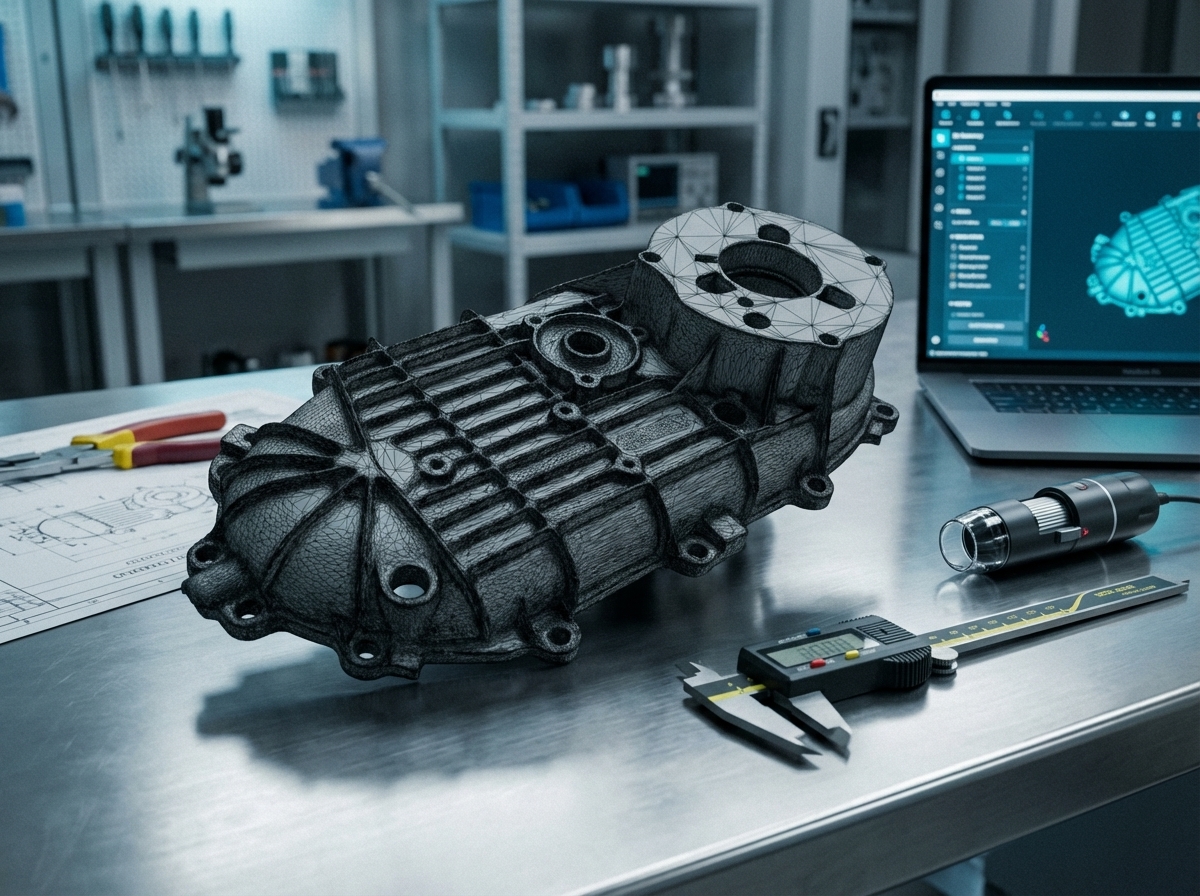
Precision tools are essential for maintaining quality in production. Using advanced scanning equipment ensures that every part meets the required standards. Let’s dive into the tools that make this possible.
Utilizing Artec Ray II and Artec Leo
The Artec Ray II and Artec Leo are powerhouses for precision scanning. These tools provide high-resolution data. They capture every detail, ensuring accuracy. With these scanners, you conduct thorough inspections without contact. They are perfect for delicate parts or hard-to-reach areas. Their versatility makes them ideal for various applications. Whether you’re in automotive or aerospace, these scanners deliver reliable results. They are the backbone of accurate deviation analysis.
Non-Contact Metrology and GD&T Inspection
Non-contact metrology is a game-changer in inspections. It allows you to measure without touching the part, preserving its condition. This method is coupled with GD&T inspection. Together, they ensure that all geometric design specifications are met. This combination helps in detecting deviations with precision. You can be confident that your parts adhere to strict quality standards. This technology empowers you to maintain excellence in production.
Scan to CAD and Color Map Comparison
Converting scan data into CAD models is crucial for design verification. The scan to CAD process enables you to create precise digital replicas. This is where color map comparison comes in. It visually highlights differences between scanned data and CAD models. This technique helps in pinpointing areas that deviate from the norm. With this information, you can make necessary adjustments. This ensures that your final product meets all design requirements.
Enhancing Quality and Compliance
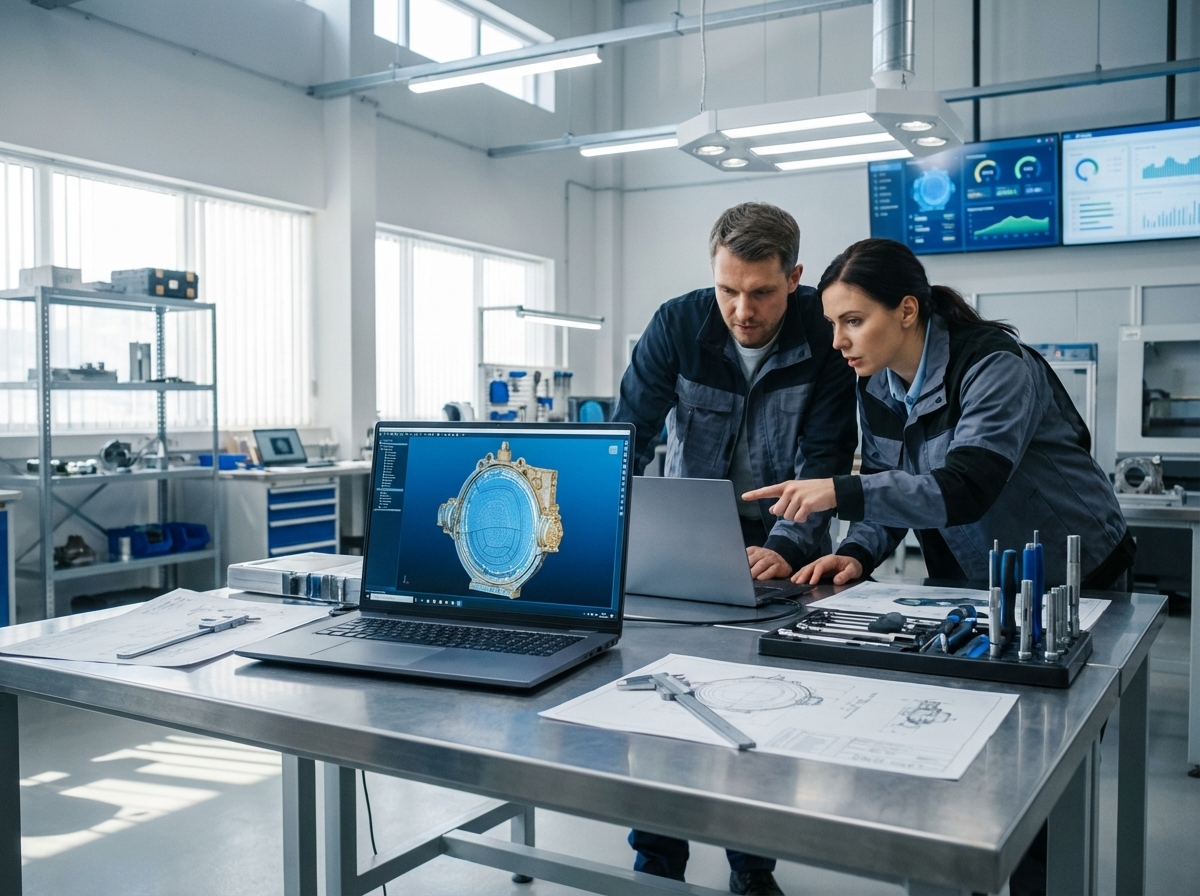
Quality and compliance are cornerstones of successful manufacturing. By enhancing these aspects, you ensure that your products consistently meet industry standards.
Improving PPAP and FAI Outcomes
PPAP and FAI outcomes are critical in manufacturing. They verify that your production process can consistently deliver quality parts. Using 3D scanning improves these outcomes. The detailed data collected ensures that all specifications are met. By incorporating scanning technology, you streamline these processes. It reduces the time and effort required to achieve compliance. This gives you peace of mind and confidence in your production capabilities.
Advantages Over Traditional CMM
Traditional CMM machines have been the standard for inspections. However, they come with limitations. 3D scanning offers a modern alternative. It provides faster results without compromising accuracy. Unlike CMM, scanning doesn’t require extensive setup. It’s flexible and adaptable to various environments. This makes it suitable for complex inspections. By switching to scanning, you gain efficiency and precision, making it a superior choice.
Process Capability and Tolerance Stack-Up
Understanding process capability is vital for maintaining quality. It ensures that your production can consistently meet specifications. 3D scanning aids in evaluating this capability. It provides detailed insights into your processes. Tolerance stack-up analysis is another benefit. It helps identify how different tolerances interact. With scanning, you can visualize these interactions. This knowledge helps in optimizing your processes for better performance.
In conclusion, adopting scan-based deviation analysis enhances your production line. It ensures quality, reduces scrap, and prevents downtime. By embracing this technology, you position yourself as a leader in manufacturing excellence.