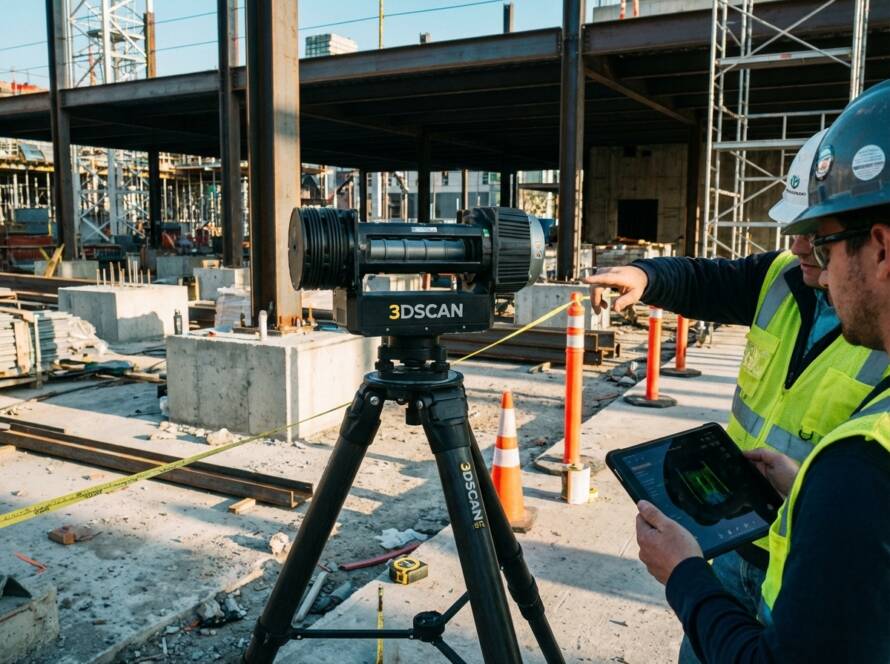
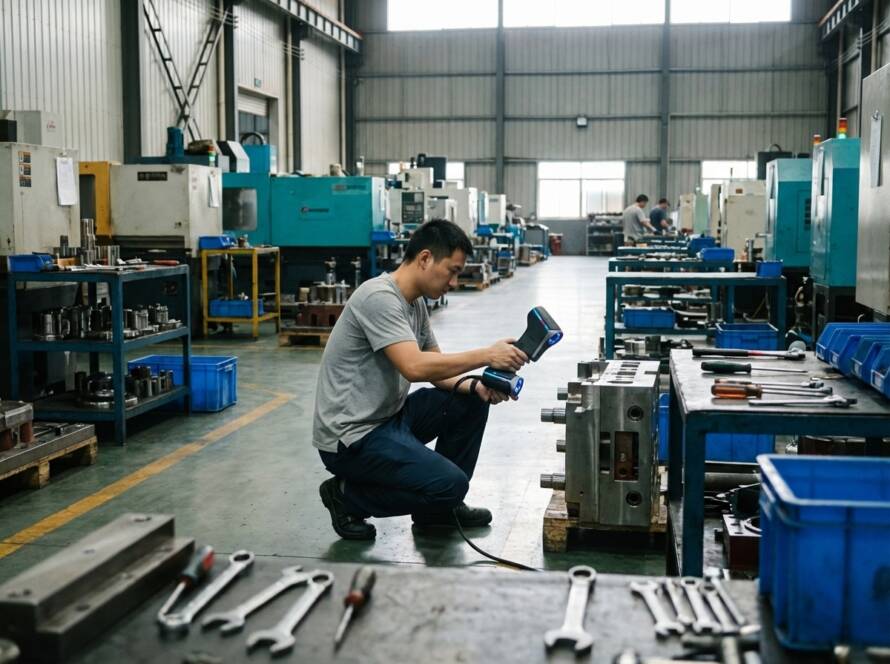
Parts that pass inspection yet fail in production are more common than you think. Meeting print dimensions alone doesn’t guarantee a part will perform as intended on the line. At 3D Scan STL, we use advanced 3D scanning St. Louis-based technology paired with GD&T inspection to reveal hidden issues like fixture-induced errors and tolerance stack-up problems. Keep reading to learn how aligning measurement with real-world function prevents costly surprises and boosts confidence in your quality process.
Understanding Dimensional Tolerance Limits
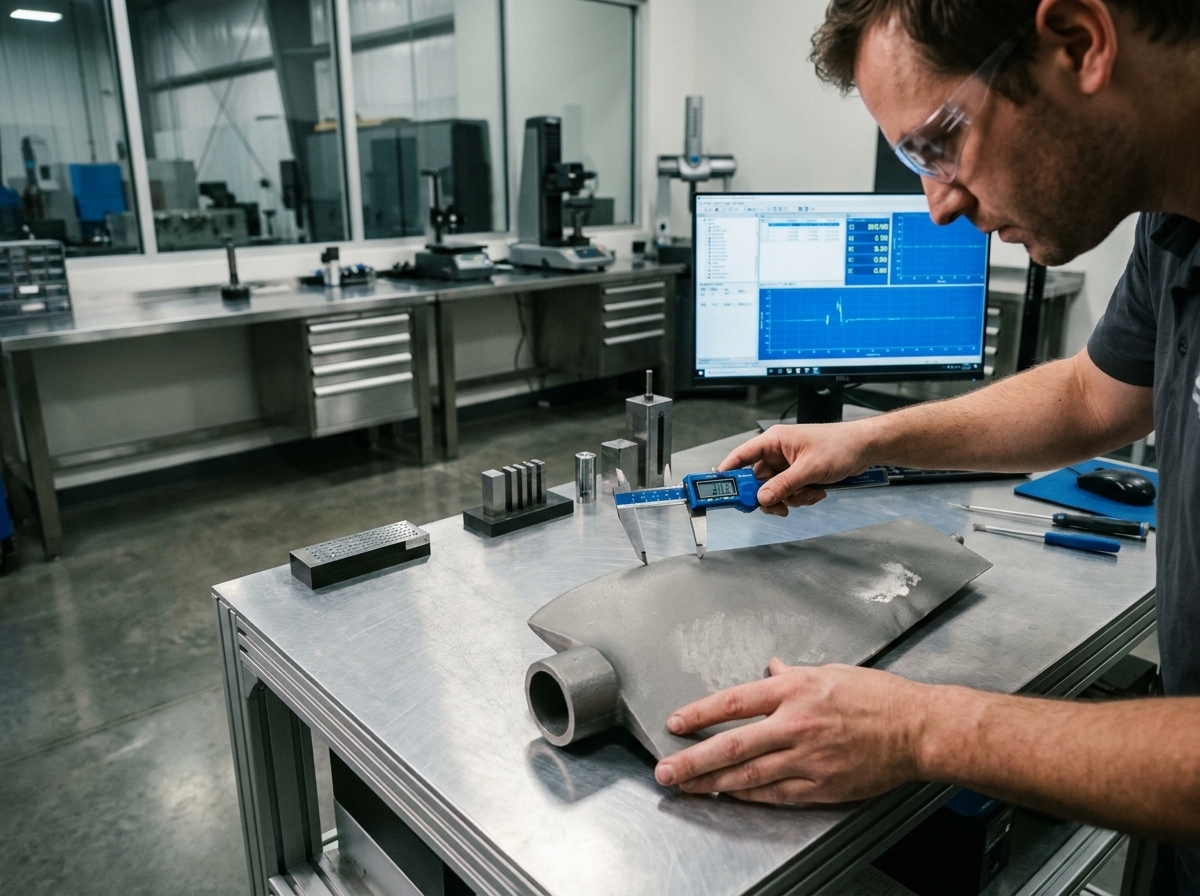
Dimensional tolerance is critical in manufacturing. Yet, meeting these limits doesn’t always guarantee a part will perform flawlessly in real-world applications.
When Measurements Fail Functionality
You might think that a part meeting its designated measurements ensures success, but that’s not always the case. Sometimes, parts function differently once they’re in use. This happens because measurements alone can’t account for every factor that affects how a part works. For instance, thermal expansion effects can alter dimensions in operation, affecting fit and function.
Consider a car engine component. While it may seem perfect in isolation, once it’s running and subject to heat, its dimensions can change. Suddenly, a component that fit perfectly during inspection now struggles to perform. That’s why relying solely on initial measurements can be misleading.
The Role of Tolerance Stack-Up Analysis
Tolerance stack-up analysis is vital in identifying hidden issues. It examines how different tolerances accumulate across an assembly, potentially leading to functional failures.
Imagine stacking blocks. Individually, each block fits within its space. But stack them together, and slight mismatches can make the whole stack unstable. Similarly, in manufacturing, even small deviations within tolerance can add up, causing significant problems. By analyzing these accumulations, you can foresee potential failures before they happen.
Enhanced Inspection with 3D Scanning
To bridge the gap between initial measurements and real-world performance, advanced inspection techniques are essential.
Benefits of Laser and Structured Light Scanning
Laser and structured light scanning offer precise inspections that go beyond basic measurements. These technologies provide comprehensive data that reveal the true shape and size of parts.
Laser 3D scanning can measure details down to the tiniest fraction of a millimeter. This precision helps in capturing every aspect of a part’s geometry. Similarly, structured light scanning projects patterns onto surfaces, capturing complex shapes with accuracy. Both methods ensure that no detail is missed during inspection, helping you avoid costly errors down the line.
GD&T Inspection: Beyond Basic Measurements
Geometric Dimensioning and Tolerancing (GD&T) offers a more nuanced approach to inspection. It evaluates a part’s geometry and its relation to other parts, ensuring that everything fits and works as intended.
Unlike basic measurements, GD&T inspection considers factors like symmetry and alignment. This method provides a complete picture of a part’s functionality, helping to catch issues that might be overlooked with simpler inspections. By focusing on how parts interact with each other, GD&T ensures that what works in theory also works in practice.
Closing the Gap Between Measurement and Performance
Integrating advanced scanning and GD&T in your inspection process closes the gap between theoretical and actual performance.
Functional Gauging and Datum Scheme Alignment
Functional gauging is about ensuring that parts work together seamlessly. By aligning the datum scheme with real-world applications, you ensure that all parts fit together precisely as they should.
In practice, this means using gauges that mimic the conditions parts will face in use. By testing parts in realistic scenarios, you can catch misalignments and other issues before they become problems. This proactive approach saves time and money, preventing costly rework or part failures in the field.
Real-World Applications: Automotive and Aerospace
In the automotive and aerospace industries, precision is non-negotiable. Even minor deviations can lead to significant issues.
For example, in aerospace, parts must fit perfectly for safety and performance. Using advanced scanning and GD&T, engineers ensure every component meets rigorous standards. Similarly, in automotive manufacturing, these techniques help maintain quality and reliability, from engine parts to body components.
By embracing these advanced inspection methods, industries can guarantee that parts not only meet specifications but also perform reliably in real-world applications. This commitment to precision ensures safety and efficiency, building trust in your products and processes.