Reverse Engineering vs. Rebuild: Practical Signs Scan-to-CAD Is the Smarter Choice
Most teams waste weeks redesigning legacy parts that could be digitized faster with reverse engineering. Starting fresh might seem safe, but it often risks costly delays and fit issues. You’ll learn how a scan-to-CAD workflow cuts turnaround and reduces uncertainty, especially for automotive, aerospace, and industrial manufacturing projects in St. Louis and the Midwest.
Ready to validate your part or project? Book a no-cost feasibility review and sample scan with 3D Scan STL. Get a fast quote, clear timeline, and secure NDA-backed workflow. Contact us to schedule on-site scanning across the Midwest.
When Reverse Engineering Shines
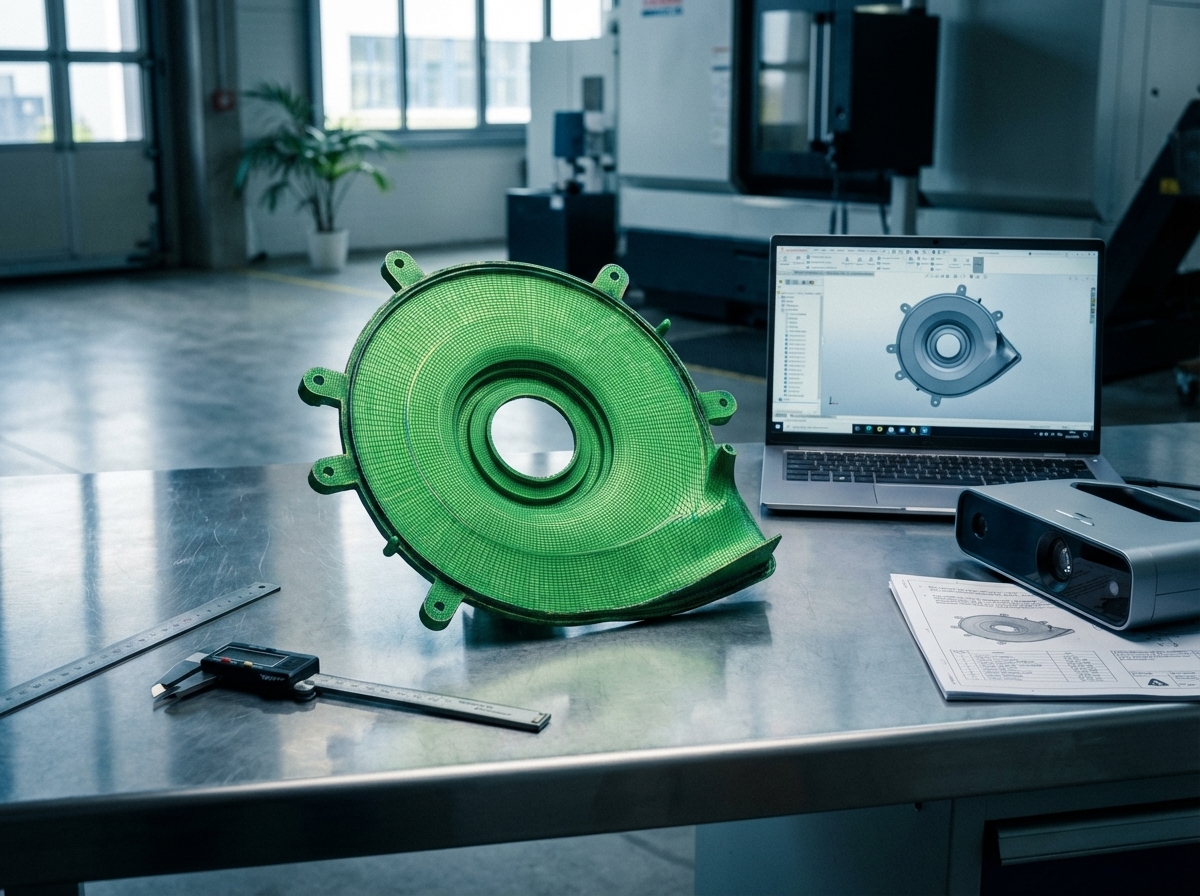
If you’re facing a project with existing parts, reverse engineering can save both time and frustration. Let’s explore how this approach is often the key to success.
Benefits of Scan-to-CAD
Scan-to-CAD workflows offer a clear advantage: they turn physical items into precise digital models. This process uses advanced 3D scanning technologies to create accurate digital replicas. Imagine reducing your development cycle by over 50%—that’s the power of reverse engineering. Instead of guessing dimensions or relying on outdated blueprints, you get exact data, minimizing errors and fit issues. With tools like Artec Ray II and ScanTech SimScan E, you’re assured of precision down to 0.02mm.
Consider a local St. Louis company that needed to refurbish obsolete machinery. They turned to scan-to-CAD, avoiding the steep costs of new tooling. Their secret? Detailed digital models that matched every curve and bolt, ensuring seamless integration.
Reducing Design Risks
Risk often lurks in the shadows of new designs, but scan-to-CAD lights the way. By starting with a precise digital base, you cut down on surprises in later stages. Most teams worry about costly delays, but with scan-to-CAD, you foresee and prevent them. The process offers a reliable pathway, eliminating guesswork and enhancing confidence in your designs.
For example, the aerospace industry often faces high stakes with precision parts. A small error can lead to big problems. Using parametric CAD from scans, engineers ensure parts meet strict specifications. This not only boosts safety but also slashes time-to-market, keeping projects on track and within budget.
Key Signs Scan-to-CAD is Smarter
Sometimes the signs are clear: reverse engineering is the way to go. Here’s how to spot when scan-to-CAD should be your choice.
Legacy Part Digitization
Legacy parts often hold the key to seamless operations. But when records are scarce or damaged, 3D scanning St. Louis comes to the rescue. Digitizing these parts means preserving the past and securing the future. Midwest 3D scanning services capture every detail, ensuring that vital components stay in play without interruption.
Imagine working with parts that manufacturers stopped producing decades ago. With scan-to-CAD, those parts can live on digitally, ready for reproduction at any time. This process not only safeguards operations but also empowers teams to innovate without worrying about part shortages.
Obsolete Parts and Tooling
What happens when vital parts or tools reach obsolescence? Often, companies face costly overhauls or custom builds. But with scan-to-CAD, there’s a smarter solution. By scanning old tools and parts, you can breathe new life into them. Tooling refurbishment becomes a breeze, allowing you to extend the life of your existing assets.
Consider a manufacturing plant in the Midwest struggling with outdated tools. Using scan-to-CAD, they recreated these tools digitally, avoiding a shutdown. The fitment verification ensured every recreated tool matched its original, maintaining efficiency without the hefty price tag of new equipment.
Choosing the Right Tools and Techniques
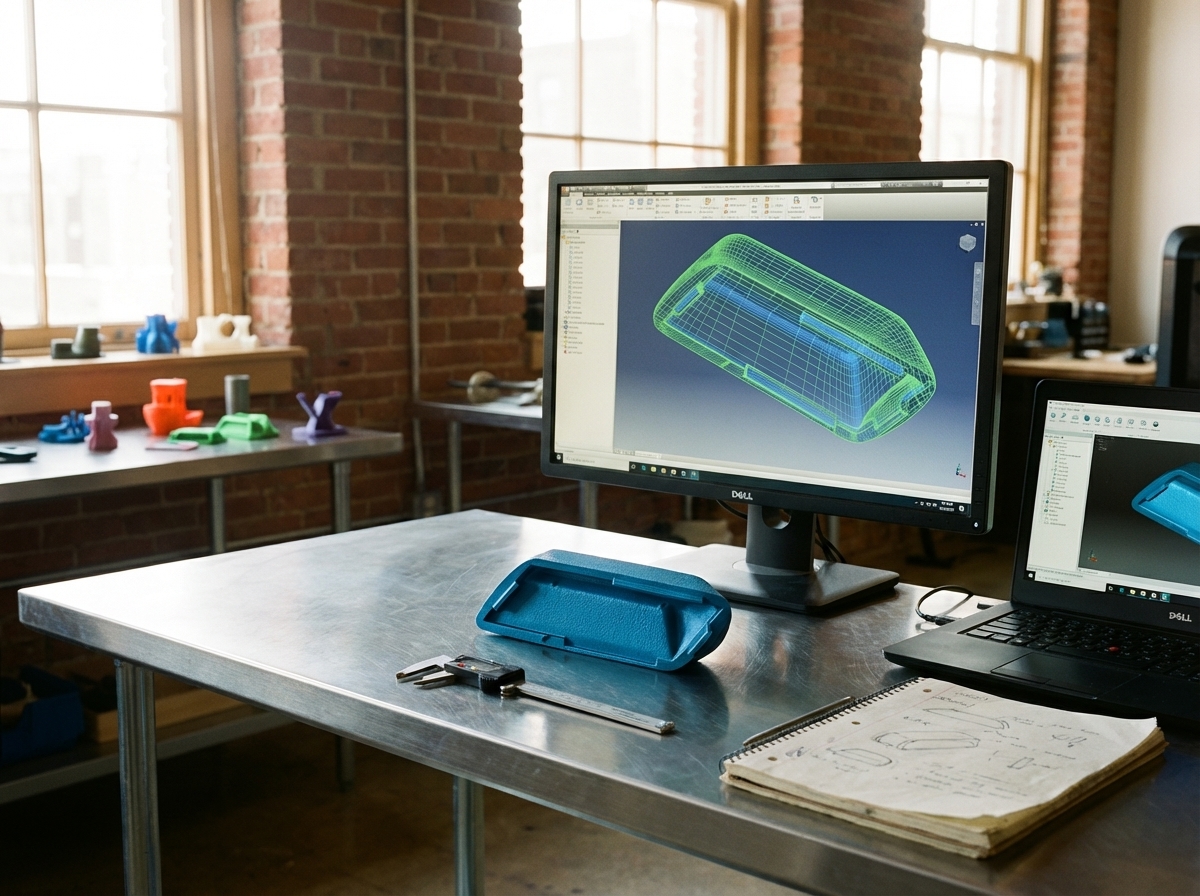
The right tools make all the difference in reverse engineering success. Let’s explore the options and how they fit into various industrial needs.
Overview of 3D Scanning Technologies
In the world of reverse engineering, having the right scanning technology is crucial. Laser scanning and structured light scanning lead the charge, each with unique strengths. Laser scanners are great for large, detailed projects, whereas structured light excels in capturing intricate geometries. Metrology-grade scanning ensures every dimension meets exact standards, crucial for industries like aerospace and automotive.
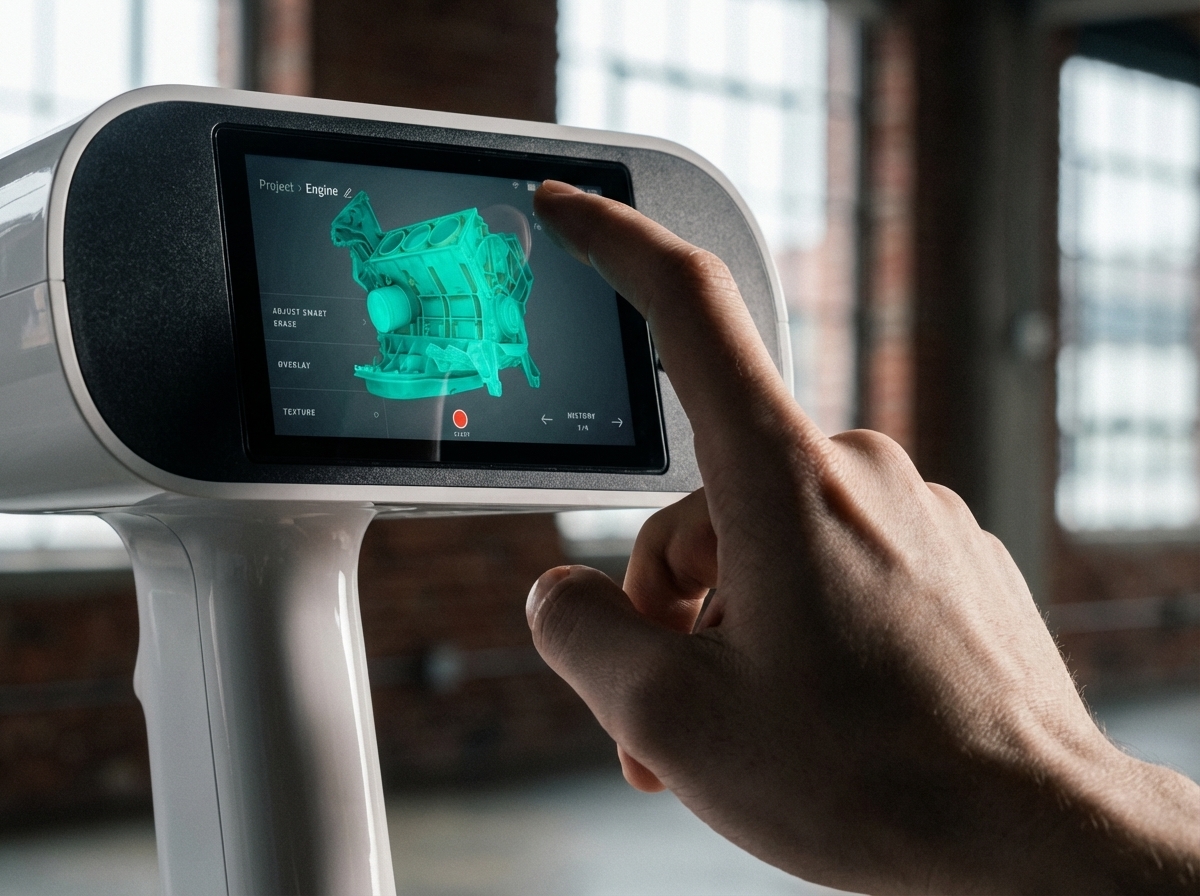
For instance, with Artec Leo and terrestrial laser scanning, engineers can capture complex shapes with ease. This technology supports everything from engineering change support to first article inspection. By choosing the right method, teams can ensure their digital models are as accurate as possible, paving the way for flawless production.
Practical Applications in Industries
Industries across the spectrum leverage 3D scanning’s precision. In automotive scanning, it’s used for developing new models and ensuring GD&T compliance. Aerospace relies on it for maintaining critical aerospace components. Industrial manufacturing benefits from quick deviation analysis, streamlining quality control and enhancing production accuracy.
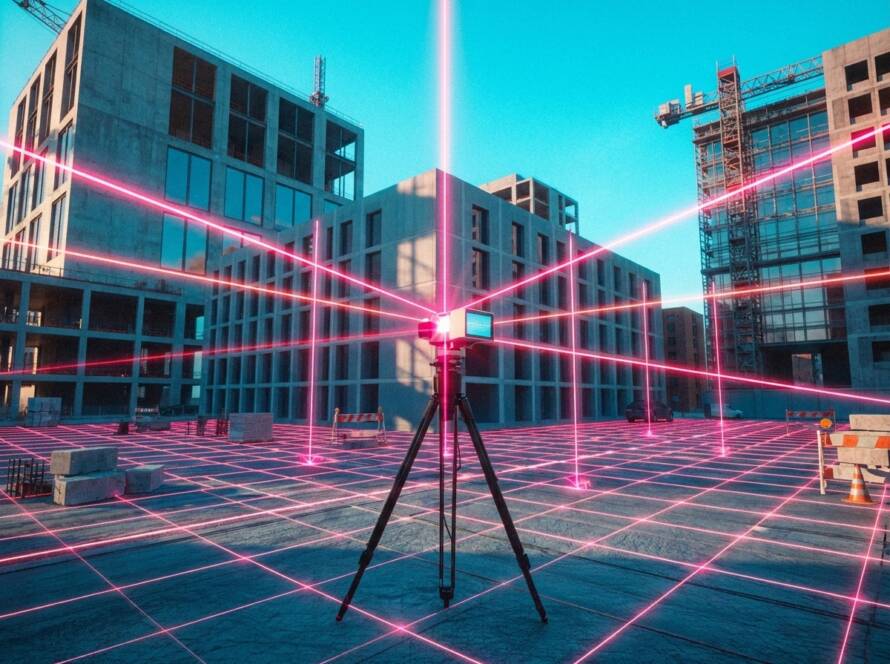
Even in construction, BIM integration benefits from accurate scans, ensuring project plans align with real-world conditions. By adopting the right 3D scanning techniques, businesses not only improve efficiency but also boost innovation, ensuring they stay ahead in their respective fields.
In conclusion, reverse engineering with scan-to-CAD isn’t just about technology—it’s about making smarter decisions that save time, reduce risks, and drive success. As industries evolve, being equipped with the best tools and strategies ensures you’re always ready for the next challenge.