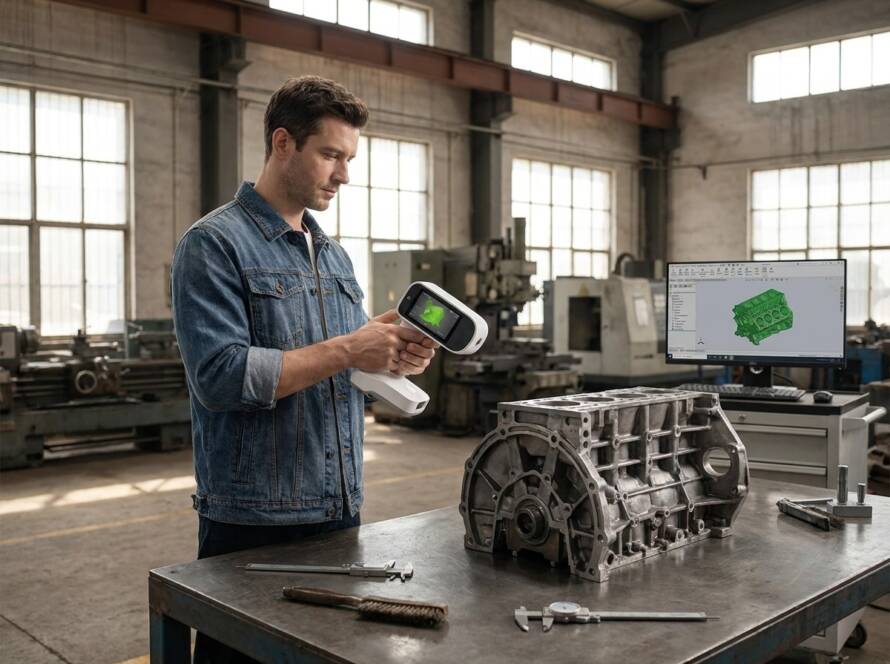
Catching Dimensional Drift Early: Deviation Analysis Powered by High-Accuracy 3D Scanning
Dimensional drift silently drives up scrap rates and halts production lines before you spot the problem. Traditional CMM checks catch issues too late, missing subtle shifts that snowball into costly defects. Using high-accuracy 3D scanning inspection, you can detect these shifts early through detailed deviation analysis and scan to CAD comparison—saving time and resources while speeding PPAP and first article inspection. Read on to learn how precise color deviation maps and GD&T analysis keep your manufacturing on track.
Understanding Dimensional Drift
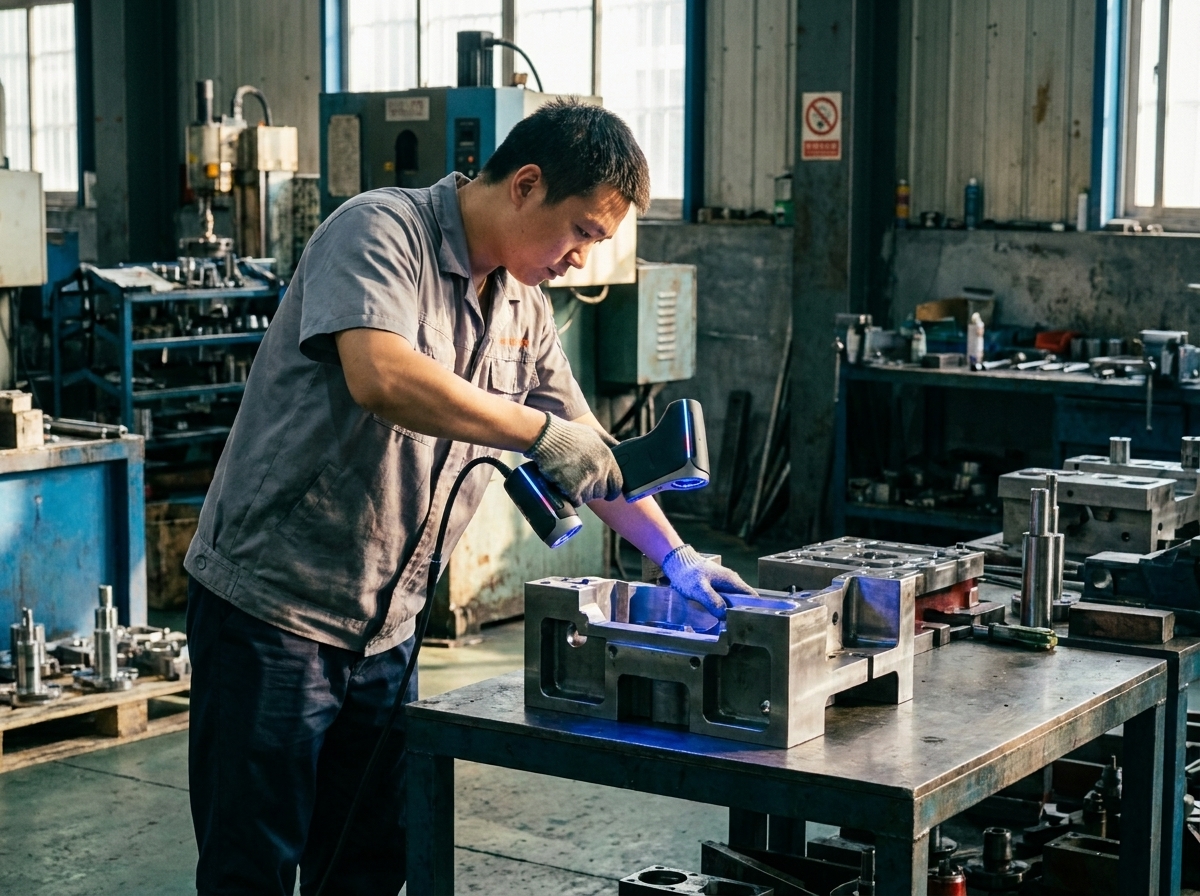
Dimensional drift can sneak into your production process, causing unexpected challenges. Catching it early is crucial to maintaining quality and efficiency.
Sources of Dimensional Drift
Dimensional drift occurs due to various factors during manufacturing. Temperature changes, machine wear, and material inconsistencies can all contribute. Even slight shifts in tooling alignment can lead to drift. When production runs continuously, these small changes accumulate, affecting product quality.
For example, a slight increase in temperature might cause metal parts to expand. This can lead to misalignment with other components. Over time, these small deviations result in parts not fitting as intended. Regular checks and monitoring help identify the sources early.
Risks of Ignoring Drift
Ignoring dimensional drift can result in significant production issues. Scrap rates increase when parts fail to meet specifications, leading to costly waste. Production lines may halt unexpectedly, causing delays and lost revenue.
Moreover, delivering subpar products can harm your reputation. Customers expect consistency and reliability. If drift goes unnoticed, product defects may reach the market. This risks recalls and damages customer trust. Identifying drift early prevents these costly outcomes.
3D Scanning in Deviation Analysis
3D scanning offers a powerful tool to detect and analyze dimensional drift. It provides a detailed view of product dimensions, enabling precise comparisons and corrections.
Scan to CAD Comparison
Using 3D scanning, you can compare scanned data to CAD models. This process highlights deviations, showing where parts differ from their intended design. The accuracy of3D scanning ensures even minor discrepancies are visible.
For instance, scanning a component and overlaying it with its CAD model reveals areas of concern. A color deviation map illustrates these differences clearly. This visual representation allows for immediate assessment, guiding necessary adjustments.
GD&T Analysis and Reporting
GD&T (Geometric Dimensioning and Tolerancing) analysis uses 3D scanning to provide comprehensive reporting. This process ensures parts adhere to design specifications, maintaining quality standards.
Detailed reports highlight where dimensions fall outside tolerances. By identifying issues early, you can implement corrective actions before full-scale production. The data-driven approach minimizes defects and boosts product reliability.
Benefits of Early Drift Detection
Detecting dimensional drift early offers several advantages, from reducing waste to enhancing production efficiency.
Informing Corrective Actions
Early detection allows for quick corrective measures. Adjustments can be made before issues escalate, preventing significant production disruptions. By identifying drift promptly, you can refine processes and maintain product quality.
For example, if scanning reveals a drift in component alignment, immediate tool recalibration can resolve it. This proactive approach saves time and resources, avoiding costly rework or material waste.
Streamlining PPAP and AS9102
Early drift detection streamlines processes like PPAP (Production Part Approval Process) and AS9102 compliance. With accurate data, you can efficiently validate part quality and meet industry standards. This ensures smoother project workflows and faster product releases.
Incorporating 3D scanning into your inspection routine enhances these processes. The detailed insights allow for precise documentation and verification. This not only satisfies regulatory requirements but also accelerates project timelines.
In summary, detecting dimensional drift early through 3D scanning prevents costly production issues and ensures high-quality outcomes. By leveraging detailed analysis and reporting, you maintain efficiency and strengthen product integrity.